Bachelor of Science in Exercise Science

This is one of Michigan's high-demand, top careers

Bachelor of Science in Exercise Science

About

We know that exercise benefits the body. You feel that rush of endorphins each day you begin your routine. With time, your focus and determination manifest as increased strength, and you find yourself pushing your boundaries—going farther than before or working against more resistance. But, what does exercise actually do to the body? More importantly, how does physical fitness extend from enjoyment to an activity designed to nurture and support your long-term health? 

That’s the goal of Saginaw Valley State University’s Bachelor of Science in Exercise Science degree. This multidisciplinary program explores the science behind movement and the impact physical activity has on health, fitness, and athletics. As a discipline, exercise health finds its roots in the life sciences. After enrolling, your journey begins with a broad introduction to chemistry, biology, and physics before you discover how human movement influences a person’s daily performance, from their fitness routine to their overall quality of life.  

This knowledge prepares you for a career promoting wellness and exercise as a tool of disease and injury prevention. Our program’s dynamic curriculum covers the scope to become an ACSM Health/Fitness Instructor or NSCA Certified Strength and Conditioning Specialist.  

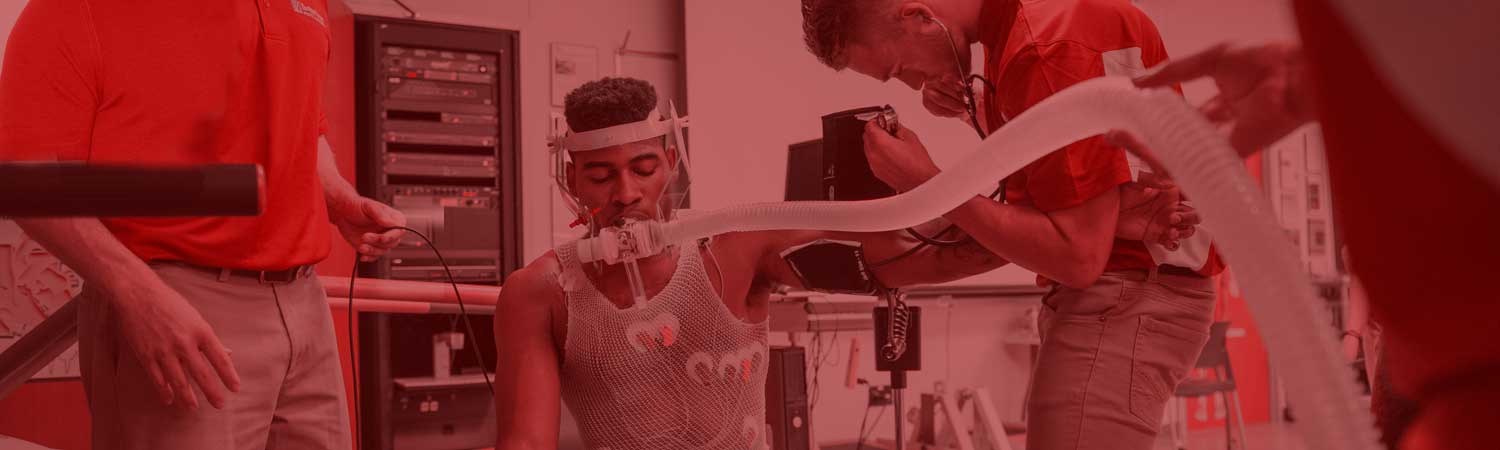
Experiential learning allows you to observe engaged professionals, practice the theories introduced in the classroom, and begin promoting the benefits of exercise. The Department of Exercise Science integrates hands-on applications into the curriculum. Internships and practicum assignments let students grow and build meaningful connections while assisting sports teams, clinical staff, or community organizations. On campus, interactive environments, including SVSU’s state-of-the-art laboratory space and classrooms, let you continue practicing your skills. Gain valuable, inspirational insights while participating in research led by our department’s award-winning faculty, or strive to uplift the surrounding community through service learning opportunities. 

For more information, contact Department Chair David Berry at dcberry@svsu.edu.

Cardinal Points

  • This program offers service-learning activities which includes working closely with hospitals, clinics and community partners throughout the Great Lakes Bay Region. 

  • Students consistently have the opportunity to work with faculty members to participate in the research process, including the presentation and publication of research findings. 

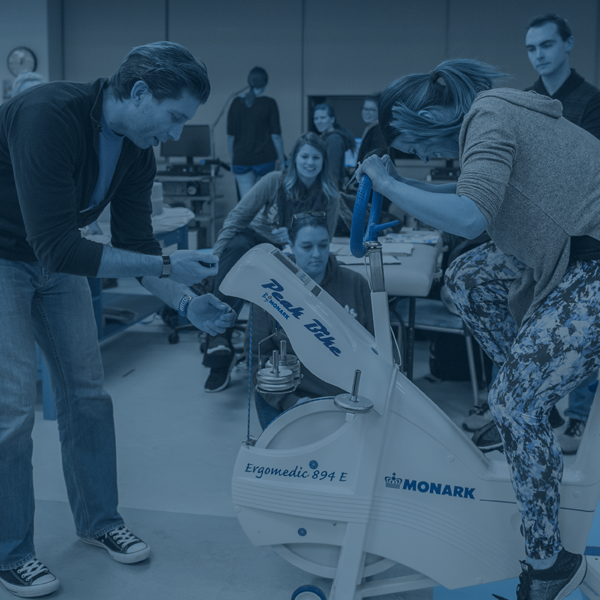
  • Students have access to a state-of-the-art laboratory space which includes, but is not limited to a BodPod, metabolic carts, ECG equipment, treadmills, cycle ergometers, ultrasound machines and TENS stimulators. 

  • The Exercise Science major prepares students to meet specific competencies set forth by the American College of Sports Medicine (ACSM) and the National Strength and Conditioning Association (NSCA).

What You’ll Study

Considering a career where you’ll guide others’ health through a mix of science and exercise? Students entering SVSU with this outlook are advised to declare their major as pre-exercise science. After satisfactorily completing two introductory kinesiology courses, you’ll fill out a program application. 

We value our students’ growth and progress and seek to empower them in the working world. Reflecting this, the curriculum for the Bachelor’s in Exercise Science follows guidelines for information, breadth, and hands-on learning specified by the American College of Sports Medicine (ACSM) and the National Strength and Conditioning Association (NSCA).  

In turn, BS in Exercise Science students acquire a strong foundation in chemistry, biology, and physics. Field-based assignments supplement classroom instruction. Collaborate and learn from a variety of populations and environments while applying exercise testing, exercise prescription, programming, and nutrition principles and using the latest technologies.  

We want you to feel prepared for the rigors of the program and recommend all pre-exercise science majors dedicate part of their prerequisite courses to statistics, psychology, critical writing, and physics. Building upon this foundation, the program’s required courses (52 credits) and electives (9 credits) highlight the field’s scientific, research, business, and psychological sides, and you’ll further hone your skills in a 240-hour internship assignment. Based on where you envision your future career, consider pursuing an assignment at a health club, community or corporate fitness program, medical, or clinical site. 

Once enrolled, expect an engaging curriculum designed to challenge you and stir excitement every time you’re in the classroom, a simulated environment, or out in the field. Setting the stage for your career, you’ll start by learning the sciences behind movement, including experimental biology, physiology, and anatomy, before you acquire skills in: 

  • first aid;  
  • recognizing, managing, and preventing sports injuries;
  • kinesiology and functional anatomy;
  • teaching and assessing physical fitness;
  • prescribing exercise-based treatment plans;
  • administering fitness programs and overseeing facilities;
  • nutrition in relation to physical activity;
  • motor learning and development; and
  • adapting exercise programs to acute and chronic conditions.  

Review the degree program’s structure and all course descriptions 

To earn a minimum of 124 credits, you’ll complete a minor in addition to coursework for the exercise science major, Basic Skills component, and General Education requirements. 
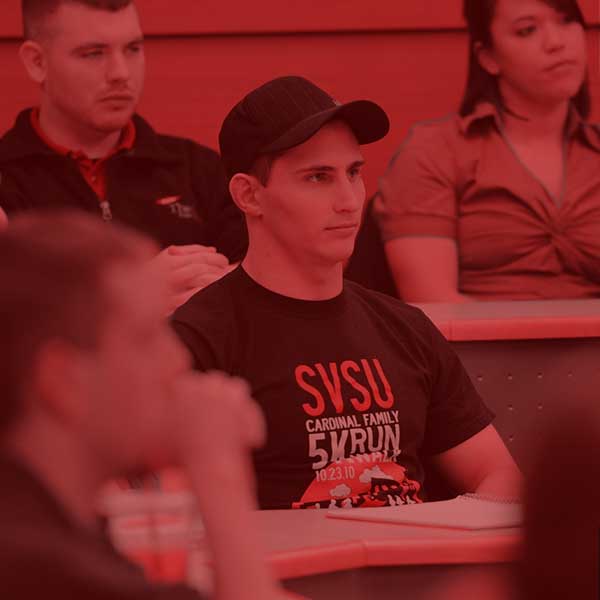

Katie Nixon from Byron Michigan, is using her UGRP study grant to research the effects of the "DuneStepper" on recreational runners. The study is searching for evidence of improved overall balance after using the exercise device.

Highlighted Courses

Year 1

Year 2

Year 3

Year 4

Key Electives

Click here to see a listing of programs

Programs

Majors

Other

Your Plan for a Successful College Experience

The Cardinal Plan is a unique outline created by faculty for your program at SVSU and serves as a guide for student success.

Download Your Cardinal Success Plan

Complementary Minors/Majors

After Graduation

  • 10 % projected growth for employment of exercise physiologists through 2033. (U.S. Dept. of Labor, Bureau of Labor Statistics  — Exercise Physiologists)
  • $58,160 median yearly pay for exercise physiologists in May 2024. (U.S. Dept. of Labor, Bureau of Labor Statistics)
  • 13 % projected growth for employment of athletic trainers through 2033. (U.S. Dept. of Labor, Bureau of Labor Statistics — Athletic Trainers)
  • $60,250 median yearly pay for athletic trainers in May 2024. (U.S. Dept. of Labor, Bureau of Labor Statistics)

With a Bachelor of Science in Exercise Science from SVSU, graduates are prepared for careers in clinical exercise physiology, athletic training, strength and conditioning, corporate wellness, and graduate study in allied health professions.

Our Students After Graduation...

Employers

Dow
Mary Free Bed Rehabilitation Hospital
Memorial Healthcare
YMCA
Anytime Fitness
Saginaw Valley State University
Michigan Fitness Foundation
Covenant HealthCare Hospital
MidMichigan Medical Center
Sarah Fechter Fitness

Graduate Programs

Central Michigan University
University of Michigan
Michigan State University
University of Dayton
Palmer College of Chiropractic
Wake Forest University
Penn State University
Grand Valley State University
Ball State University
Northwestern University
University of South Carolina

Career Opportunities

Nutritionist
Physical Therapist
Occupational Therapist
Strength and Conditioning Coach
Certified Personal Trainer
Assistant Professor of Kinesiology
Director of Campus Recreation
Cardiac Rehabilitation Technician
Wellness Specialist
Athletic Coach
Wellness Coach