
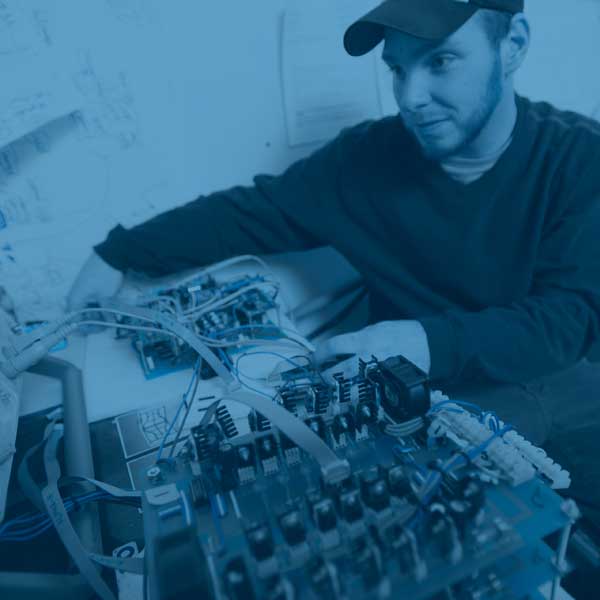
The Electrical Engineering core curriculum provides you with a foundation in electronic circuits (analog and digital), electrical machines, electromagnetic fields, microprocessors, control systems (analog and digital), computers, power, digital signal processing, communications and mechanical engineering. You will hone in on your EE focus by selecting up to four senior-level technical elective courses. The EE curriculum is noted for the hands-on lab and design experiences that are integrated throughout the curriculum and culminates in a major design experience. Students will complete a capstone design project which incorporates all aspects of the design process, from project planning, feasibility studies and technical report writing to prototype construction and project documentation.
Electrical Engineering

Electrical Engineering
About
SVSU’s four-year nationally accredited Electrical Engineering (EE) program has a hard-earned reputation for sending qualified, driven and well-prepared graduates into the job market or on to top-tier graduate schools. Immersed in a rigorous curriculum, students build a strong foundation in related sciences, encountering areas such as digital controls, power systems, electronics and robotics. Students also gain communication and leadership skills, including cultural, social and international awareness. In addition to laboratory work and other hands-on projects, students complete a capstone project encompassing all aspects of their electrical engineering knowledge and practical experience. If you like solving problems, improving existing things and developing new ones, the SVSU Electrical Engineering program may be for you.
Cardinal Points
-
Students engage in research projects with faculty and have published peer-reviewed articles at conferences and in journals.
-
The program's curriculum is noted for its hands-on lab and design experiences, which culminates into a major design experience.
-
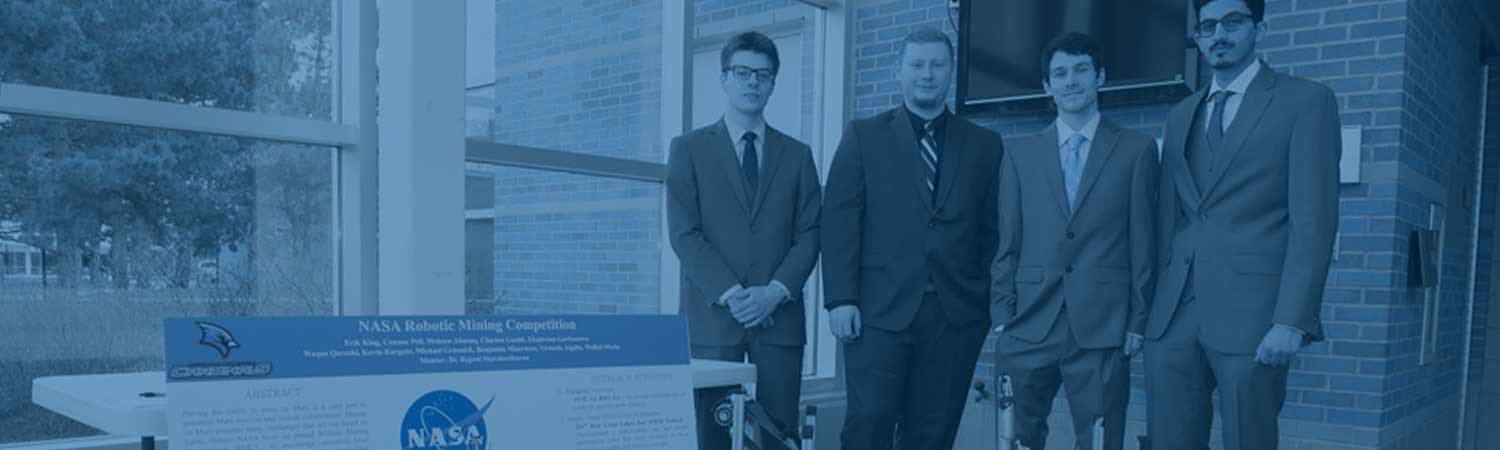
Students participate in community outreach projects such as SVSU Go Baby Go and compete in national and international challenges such as NASA Robotic Mining and Trinity Firefighting Robot Competitions.
-
The Electrical Engineering BS program is accredited by the Engineering Accreditation Commission of ABET, http://www.abet.org, under the General Criteria and the Program Criteria for Electrical, Computer, Communications, Telecommunications and Similarly Named Engineering Programs.
Highlighted Courses
Year 1
Year 2
Year 3
Year 4
Key Electives
Click here to see a listing of programs
Programs
Majors
Other
Complementary Majors
Beyond The Books

Fieldwork
Co-op and internship opportunities are available with local industries.

Society of Women Engineers (SWE)
SVSU Society of Women Engineers (SWE) student branch is aimed to provide leadership skills for women in the field of engineering by providing opportunities to participate in local and national SWE conferences.
Community Engagement
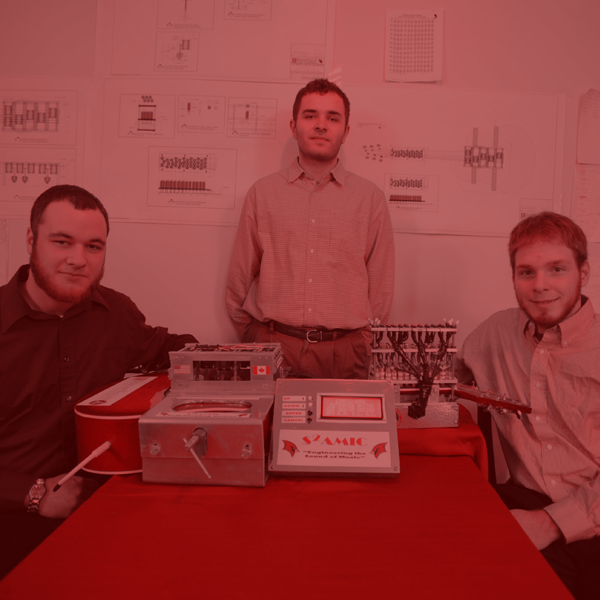
SVSU is committed to engaging K-12 underrepresented students in Great Lakes Bay Region in many hands-on classroom activities.
Our Students After Graduation...
Employers
Nexteer
Consumers Energy
HallaMechatronics
Dow
General Motors Company
Ford Motor Company
Los Alamos National Laboratory
Graduate Programs
Michigan Technological University
Michigan State University
University of Michigan
Career Opportunities
Systems Engineer
Product Engineer
Test Engineer
Integrated Circuit Design
Fabrication Engineer
After Graduation
- 9 % projected growth for employment of electrical and electronics engineers through 2033—much faster than average. (U.S. Dept. of Labor, Bureau of Labor Statistics, 2025)
- $111,910 median yearly pay for electrical engineers in May 2024. (U.S. Dept. of Labor, Bureau of Labor Statistics)
- $127,590 median yearly pay for electronics engineers, except computer, in May 2024. (U.S. Dept. of Labor, Bureau of Labor Statistics)
With a BSEE from SVSU, graduates design and maintain power systems, electronics, controls, robotics, telecommunications, and renewable‑energy solutions—and are well prepared for professional licensure, industry leadership, or graduate study.